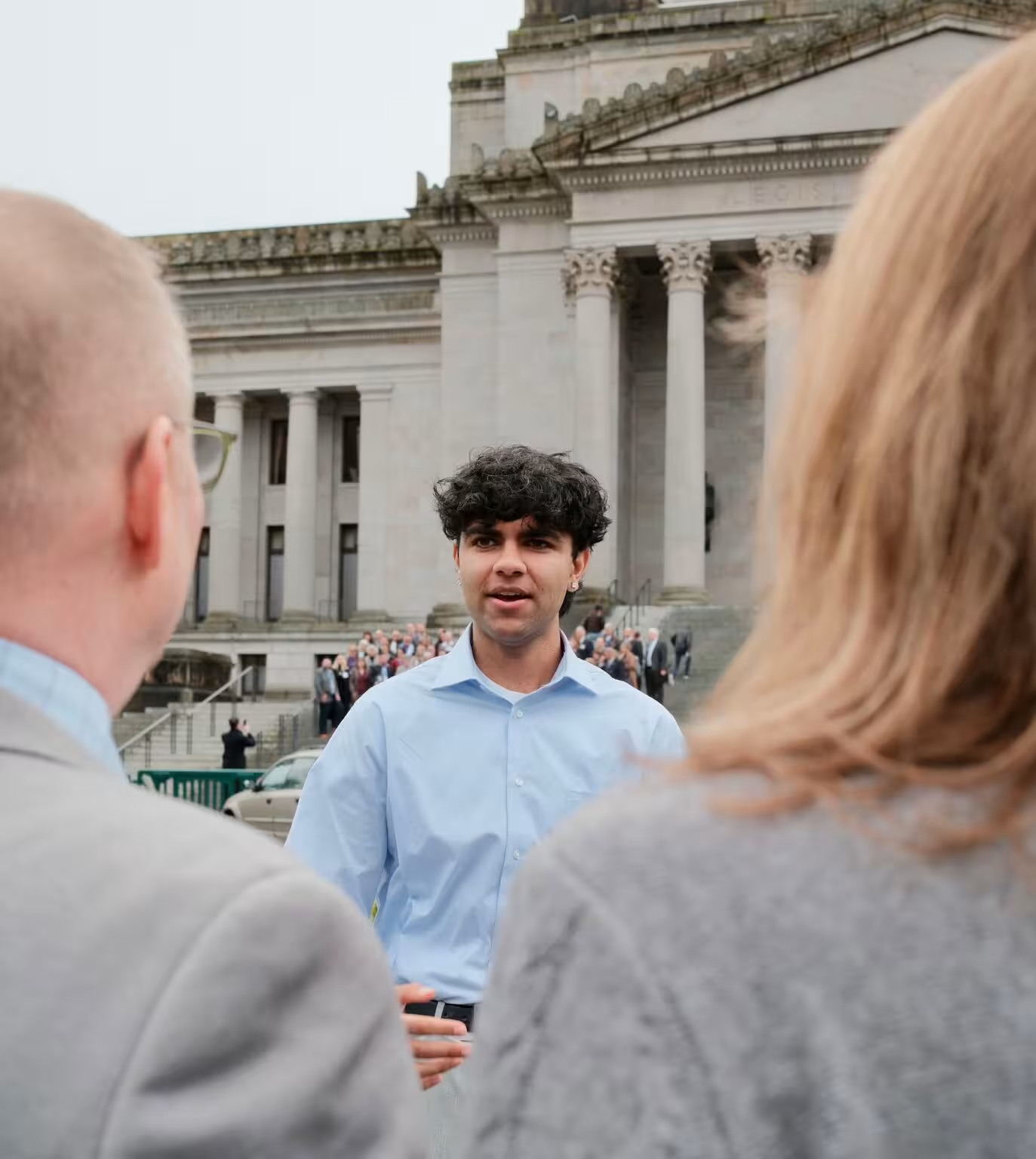
Samay Sheth showed up at the Capitol for a day of lobbying alongside seasoned advocates, sharing a goal to increase equitable access to healthy, plant-based meals in schools. Together, they brought forward Senate Bill 5878, a student-led proposal requiring schools to offer a plant-based option upon request, at no extra cost.
The day marked a real step forward. It showed what happens when student leadership meets expertise—and when a young person uses their voice to advocate for a better future.
When the lunchroom reached lawmakers
Samay Sheth is a Bellevue High School student who has been plant-based his whole life. It began as part of his family’s religion and took on new meaning as he learned what animals endure in the food system.
Some days, Samay’s school cafeteria didn’t have an option that met his dietary needs. After learning that peers were experiencing the same thing, Samay talked with classmates, school lunch staff, and even a local plant-based nugget company, and started asking how schools could do better. His question didn’t stay in the cafeteria.
Samay took this question to Senator John Lovick, who agreed to sponsor a bill for the 2026 legislative session—Senate Bill 5878. With support from the Plant Powered School Meals Coalition and Animal Policy Alliance member Pasado’s Safe Haven, Samay brought his experience and the bill directly before lawmakers during a coordinated lobbying event. He met with legislators, sharing the student's needs and discussing practical solutions.
Students took a seat at the table
What Samay noticed at his school shows up in cafeterias across the country. When plant-based meals aren’t offered, students who seek these options because of faith, culture, health, or ethics are left planning around lunch—or skipping it altogether.
Access to plant-based meals changes more than what’s on the menu. When schools offer plant-based options, fewer animals are pulled into systems that treat them as products rather than living, feeling beings. Compassion can look as simple as a choice in the lunch line.
As Samay put it, “This isn’t about telling anyone what they should eat. It’s about making sure students feel respected and don’t have to choose between their values and eating lunch.”
School meals, still in session
Senate Bill 5878 won’t move forward this legislative session, but only because of a tight calendar rather than a lack of interest. The conversations that began at the Capitol are continuing.
Samay’s effort builds on progress already underway. With support from the Animal Policy Alliance, Pasado’s Safe Haven has helped secure pilot funding for plant-based school meals in Washington’s state budget in prior school years.
Beyond Washington state, the Plant Powered School Meals Pilot Act, led by the Plant Powered School Meals Coalition, would help schools across the US expand access to plant-based options for students who need them.
This is where you come in. Change like this grows when people decide it matters to them. Urge your US Representative to support the Plant Powered School Meals Pilot Act. It’s a simple way to back students asking for fairness and access. Consider this your chance to make the grade.


 Brenna Anderst