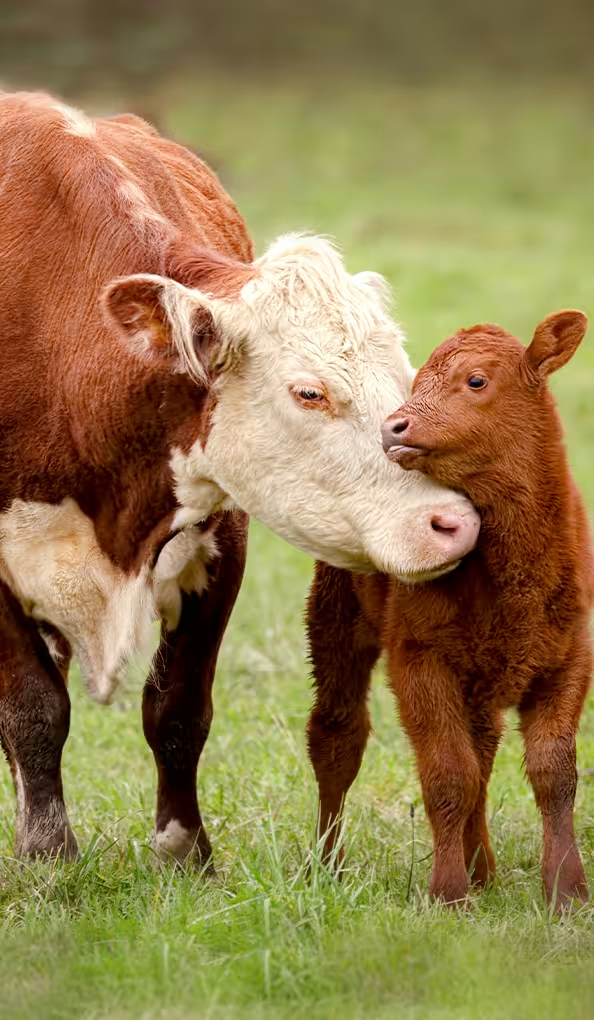
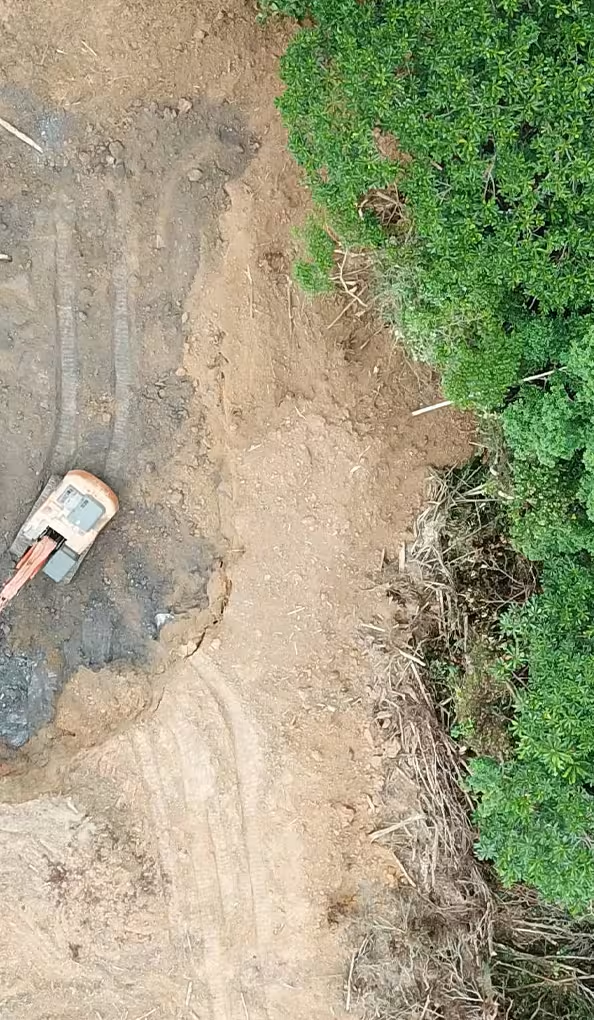
Besides adding to greenhouse gas emissions and contributing to climate change, animal agriculture pollutes our air, land and water. We would all breathe easier—the planet included—if we replaced industrial animal agriculture with sustainable, plant-based alternatives.
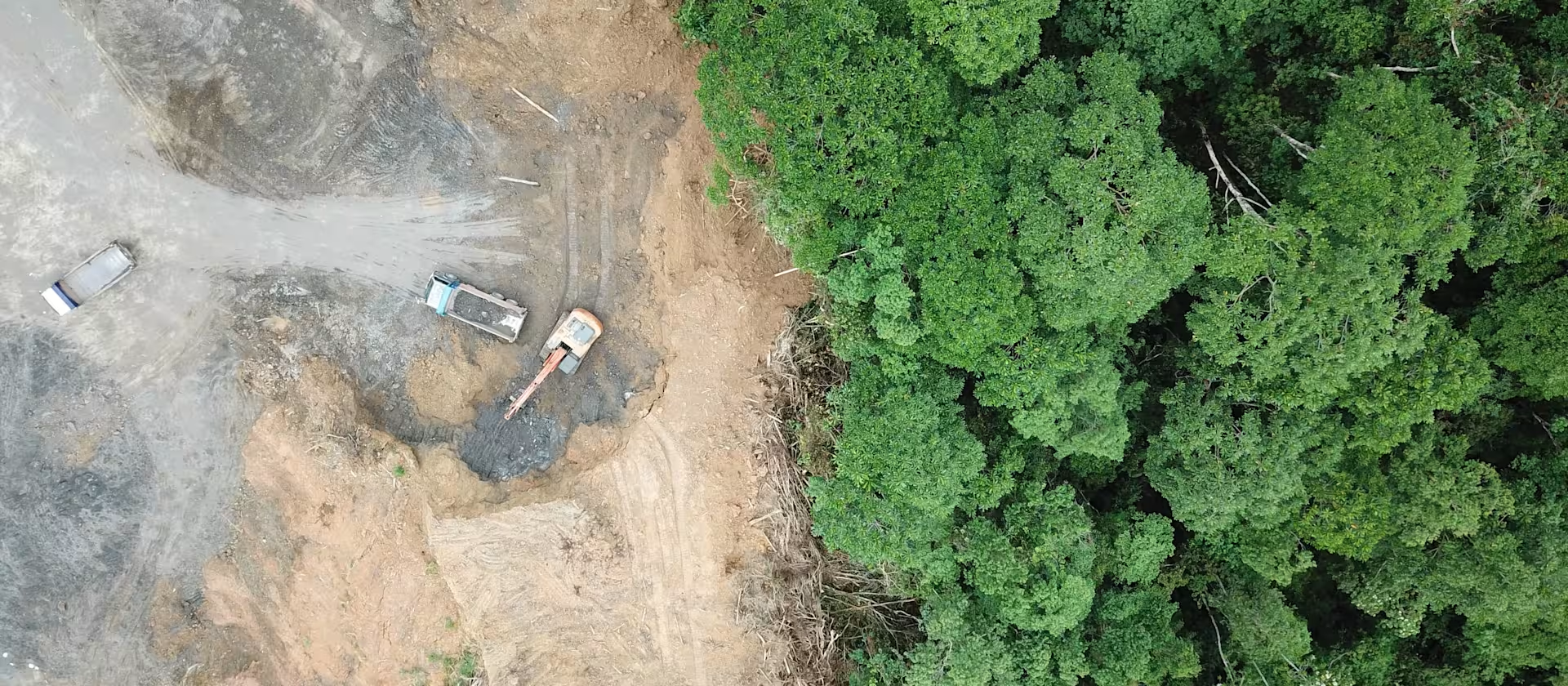
Meat is Hurting Our Planet
We only have one Earth. How we choose to feed ourselves will have a big impact on its future.

The livestock sector emerges as one of the top two or three most significant contributors to the most serious environmental problems, at every scale from local to global.
Food and Agriculture Organization of the United Nations
Climate change
Conservative estimates show that animal agriculture is responsible for 14.5% of greenhouse gas emissions—more than planes, trains, and motor vehicles combined. Clearly, animal agriculture is among the most significant contributors to today’s climate change crisis—leading to, extreme temperature shifts, ravaging wildfires, deadly tsunamis, and more.
Photo: Jo-Anne McArthur/We Animals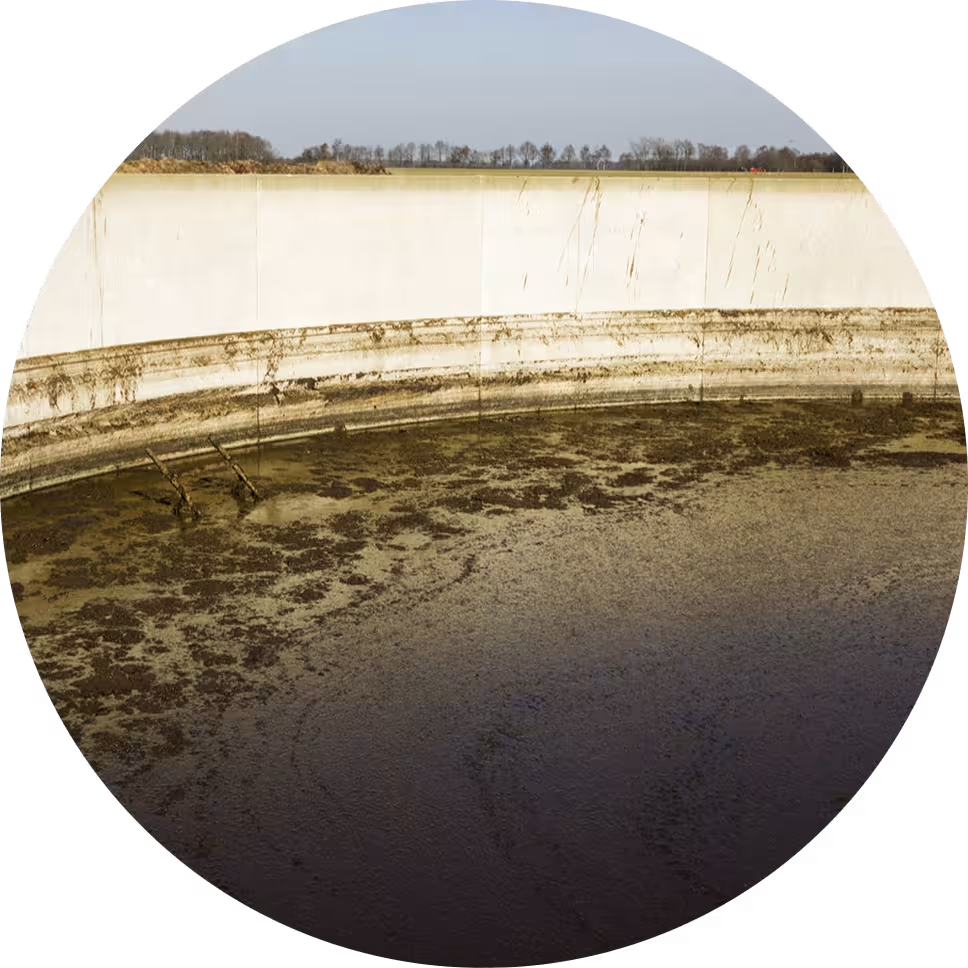
Air pollution
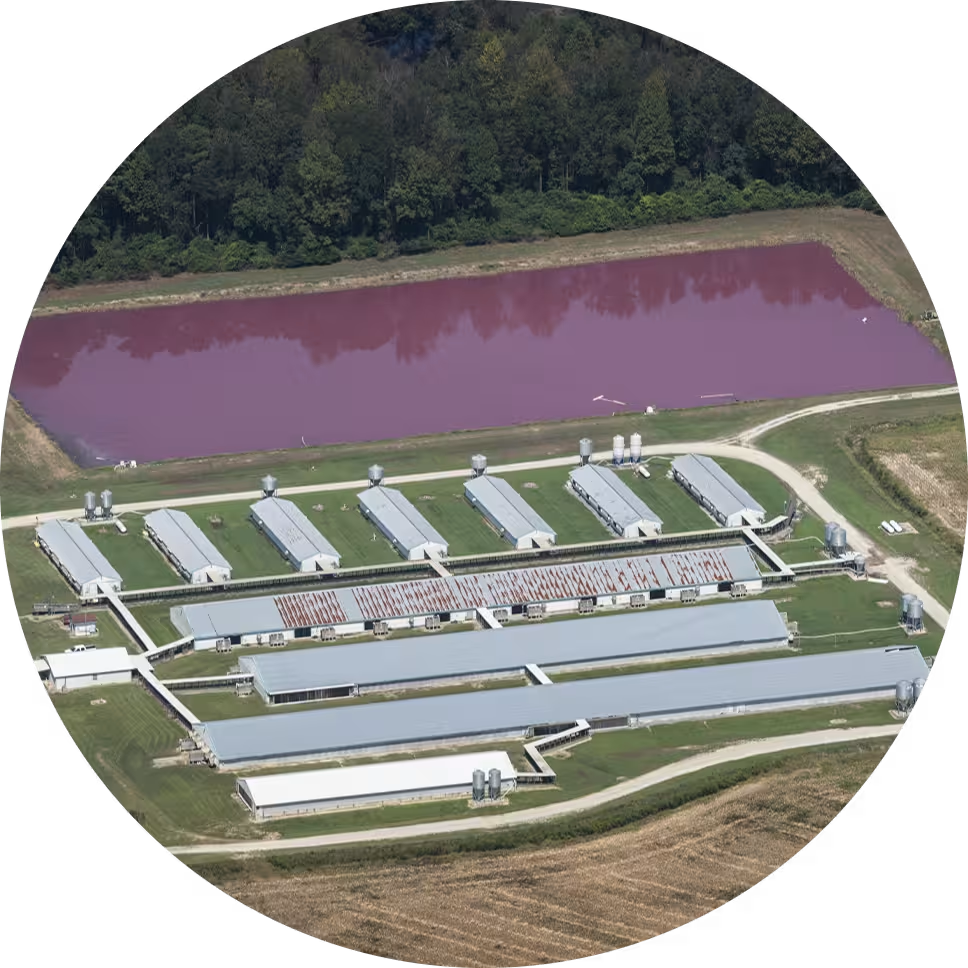
Factory farms, which concentrate tens of thousands of animals in a small space, generate large and putrid lakes of manure, often called lagoons. This fecal waste releases dozens of noxious gases, including nitrous oxide, ammonia and hydrogen sulfide, as well as airborne particulate matter harmful to our lungs, rendering nearby areas uninhabitable.
Water use
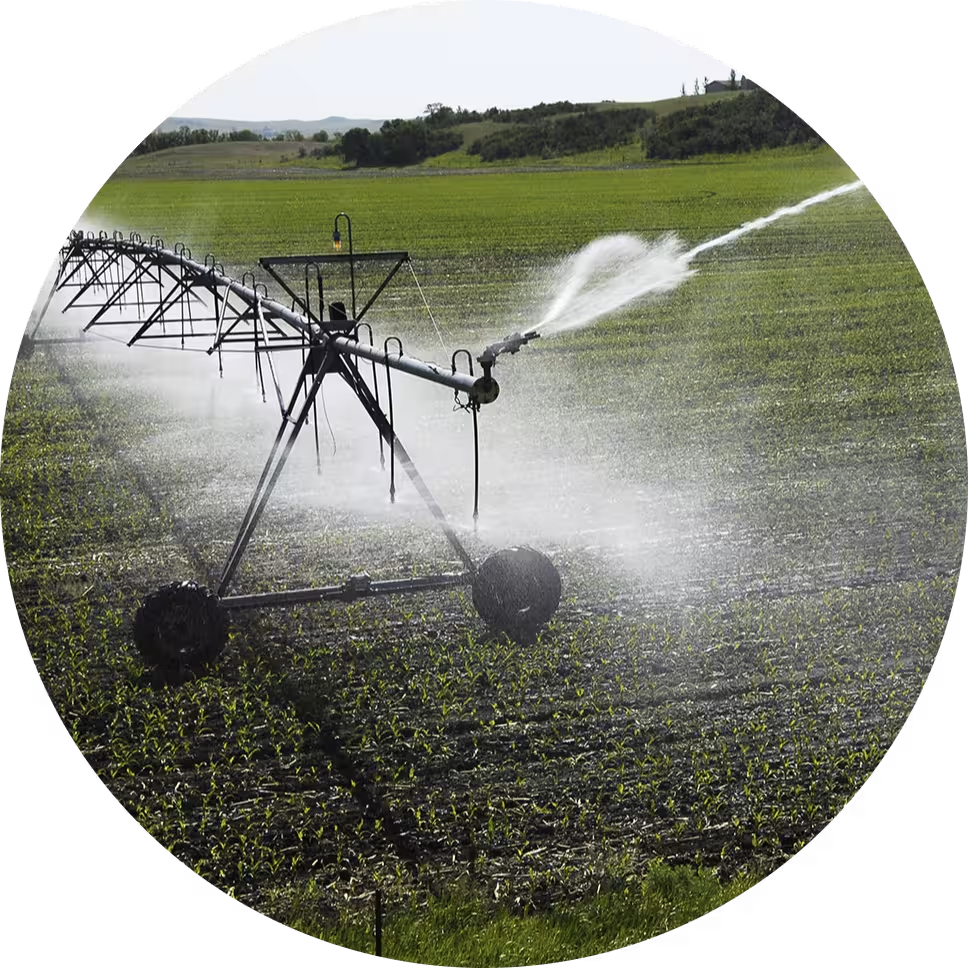
The production of meat and dairy constitutes close to 20% of all freshwater use, globally, for feed production alone. This does not include the copious amounts of water also needed to raise and slaughter animals raised for food. In contrast, our personal use of water—including taking showers, washing cars and watering lawns—consumes just a fraction of this.
Water pollution
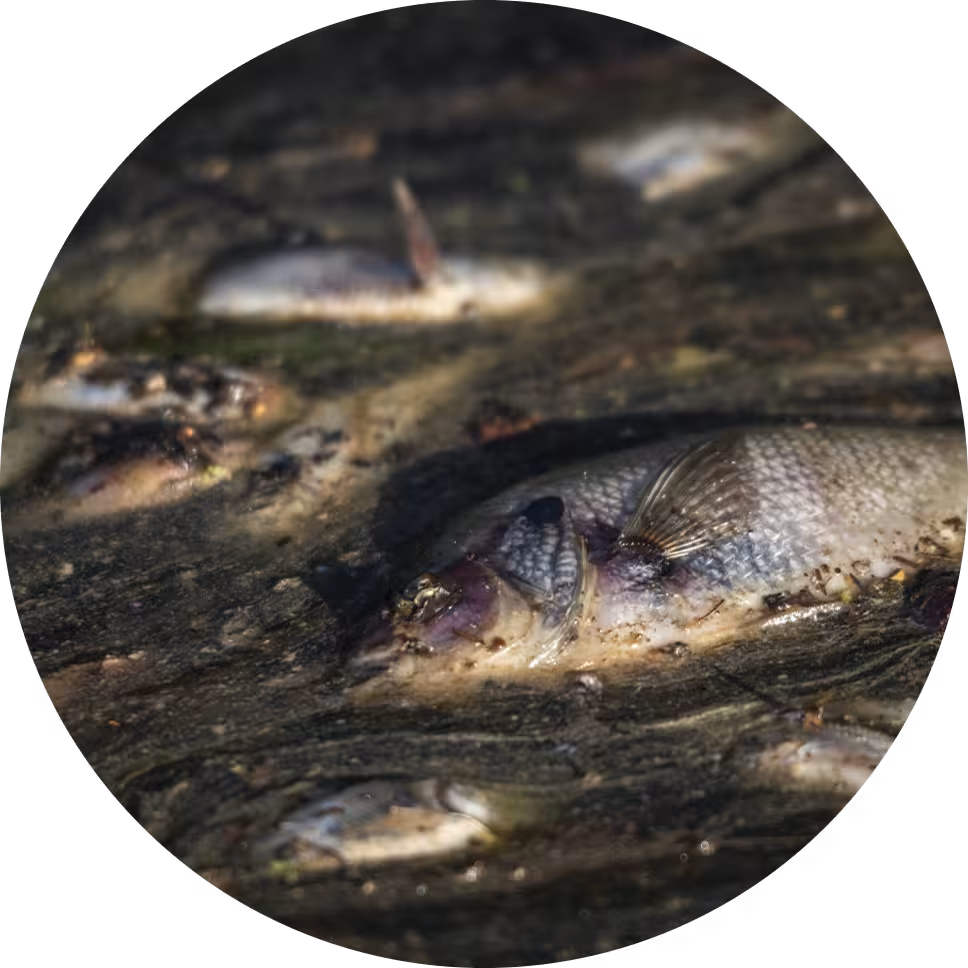
The meat industry produces vast quantities of phosphorus and nitrogen-rich waste, the disposal of which impacts the quality of water in our lakes, streams, bays and estuaries. Besides polluting our drinking water, waste lagoon breaches and factory farm runoffs have left billions of fish dead in our waterways.
Photo: Jo-Anne McArthur/We Animals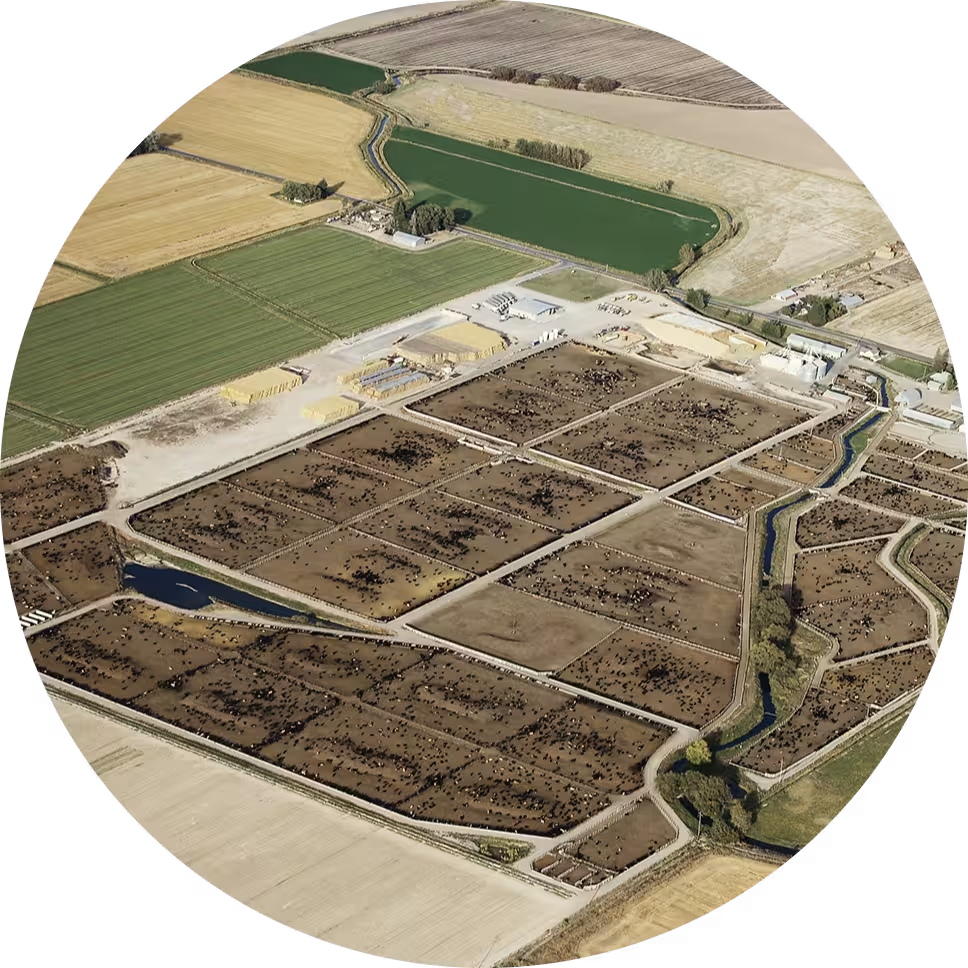
Land use
Nearly one-third of all the landmass on earth is used for raising animals for our consumption—for grazing and to grow feed crops. This includes almost half the landmass of the lower 48 states in the US. Not surprisingly, animal agriculture is the leading cause of wildlife habitat destruction in the world.
Deforestation
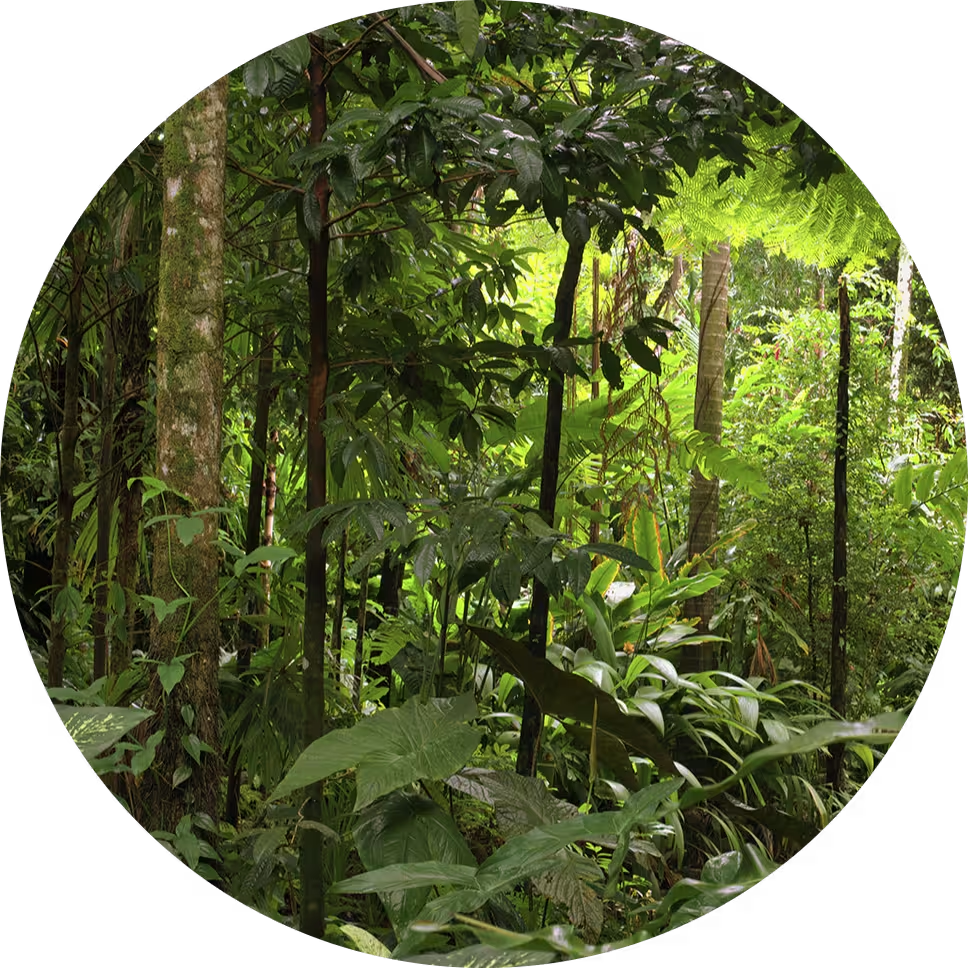
The Amazon rainforest, one of our world’s greatest natural resources, houses over 10% of the biodiversity on earth with countless species of mammals, birds, reptiles and amphibians. Since 1970, the vast majority of the deforestation in the Amazon has been due to cattle ranching. In other words, animal-centric diets are the reason we are losing our rainforests.
The oceans
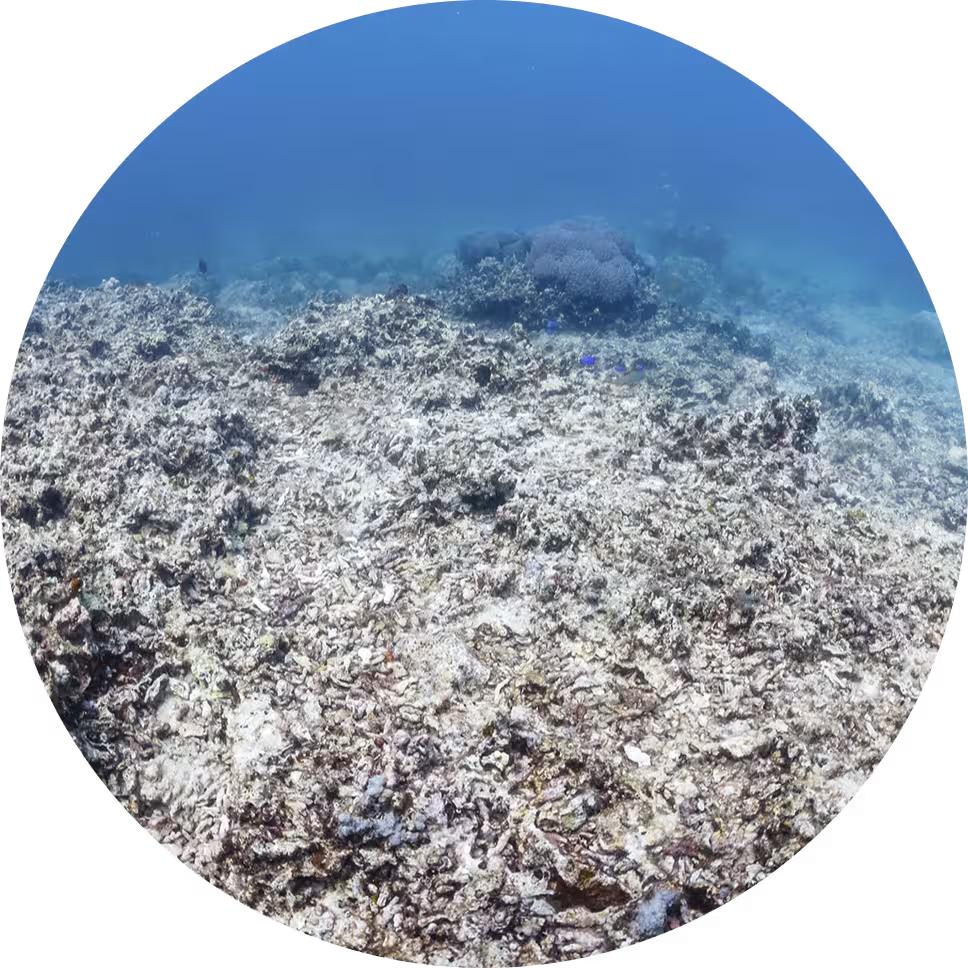
As a consequence of our consumption of fish, the vast majority of fisheries in our oceans today are either already depleted or are being harvested above the level believed to be sustainable in the long term. The biodiversity of sea life is being further eroded by the massive dead zones we create in our oceans from animal agriculture runoffs.
Species extinction
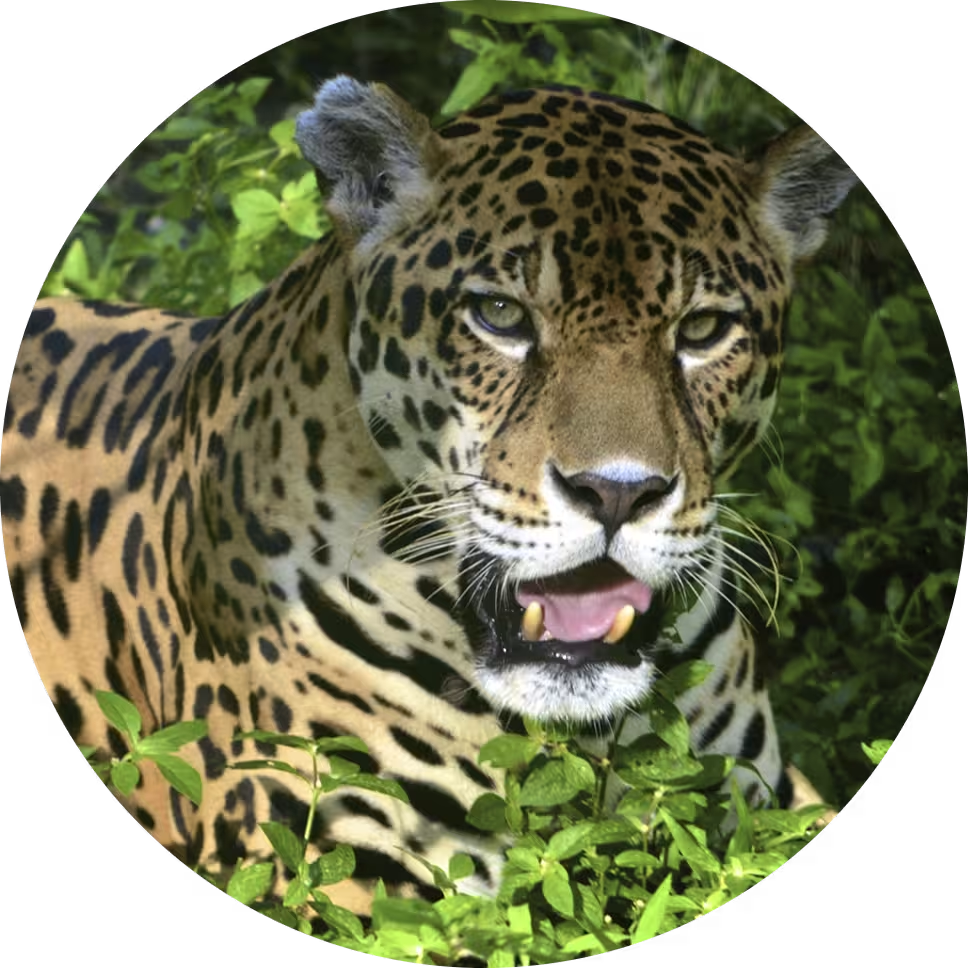
Tens of thousands of species are going extinct each year due to the climate change and habitat loss brought about by the voracious needs of animal agriculture. Today, diets rich in meat are the greatest threat to the diversity of our world’s flora and fauna and the ecosystems on which they depend.
Choosing plant-based is among the most impactful ways to protect our planet
Every meat-free meal helps stop the depletion of our earth’s natural resources and reduces the environmental footprint of our species. It is better for the animals and better for our health, too.