That kind of year comes from a lot of local fights, fought well. Across the country, people learned from each other, and one win led to the next.
The Animal Policy Alliance (APA) is where all of that comes together. It’s a network of animal advocacy groups working in different places, on different issues, but with the same goal: protecting animals from the worst forms of exploitation. In 2025, behind every one of those changes were kind people like you—united through the Animal Policy Alliance.
The Alliance is coordinated and supported by The Humane League, helping local groups share resources, trade strategy, and lend support to one another. It’s the kind of partnership that ensures no one has to push for change alone.
By the end of the year, it was clear that this kind of coordination had become one of the biggest threats factory farming faces in the US. And it started with APA members showing up in town halls and council chambers.
The fights that started close to home
In Brookline, Massachusetts, it was high school students who helped bring the issue of foie gras into city hall. Working with MSPCA, they pushed their town to take a stand against foie gras—the product of force-feeding ducks and geese until their livers become painfully enlarged.
“There are a lot of crazy things happening in the world right now that we can’t control, but… this is an opportunity we have to be leaders in an emerging movement,” said Ezra Kleinbaum, one of the students who proposed Article 20. The ban passed, and another community drew a line against that kind of cruelty.
A few hundred miles away, in Pittsburgh, Humane Action Pennsylvania focused on making the city’s existing foie gras ban fully effective. Through months of follow-up with restaurants and regulators, they pushed the ban from paper to practice. By the end of the year, Pittsburgh had reached full compliance with the foie gras ban.
That combination—passing a law and making sure it’s followed—is what changes what animals experience day to day.
In Minnesota, the work showed up on people’s plates. Compassionate Action for Animals and partners changed how food is served at county-sponsored events—offering plant-based options by default. Animal-based foods and dairy will remain available upon request. The impact adds up meal by meal. Over time, that means fewer systems built on animal suffering.
By adopting a plant-based by default policy, individuals can still choose to include animal products if they wish. This approach normalizes plant-based food, sets a precedent for the County, and adds more options for everyone! This effort involved APA Grant funding, facilitating a connection between key organizations to help identify sponsors, and attending planning meetings.
These local wins from other APA supporters impact what animals experience every day.
When states drew the line
There were moments this year that could have gone the other way.
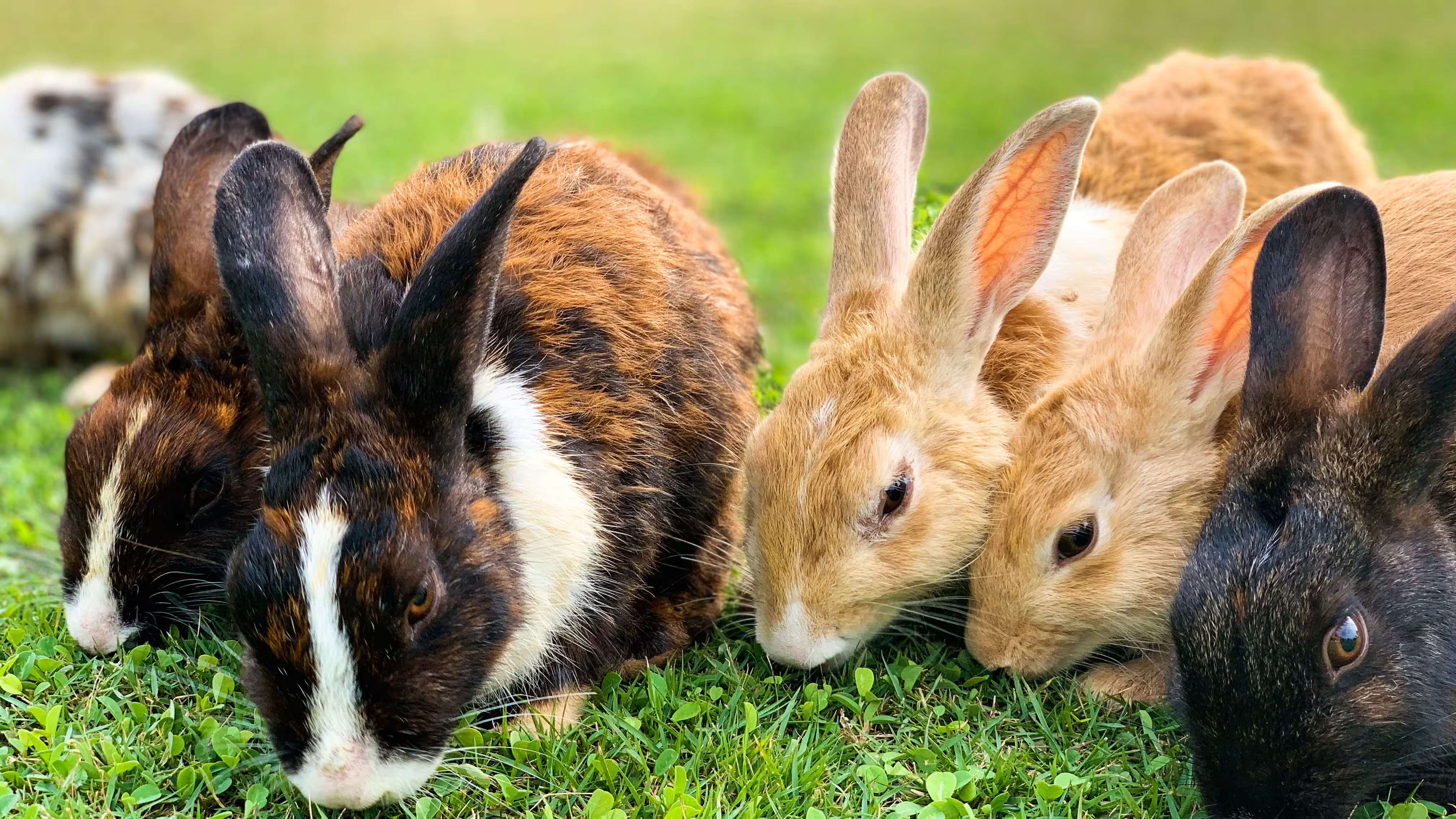
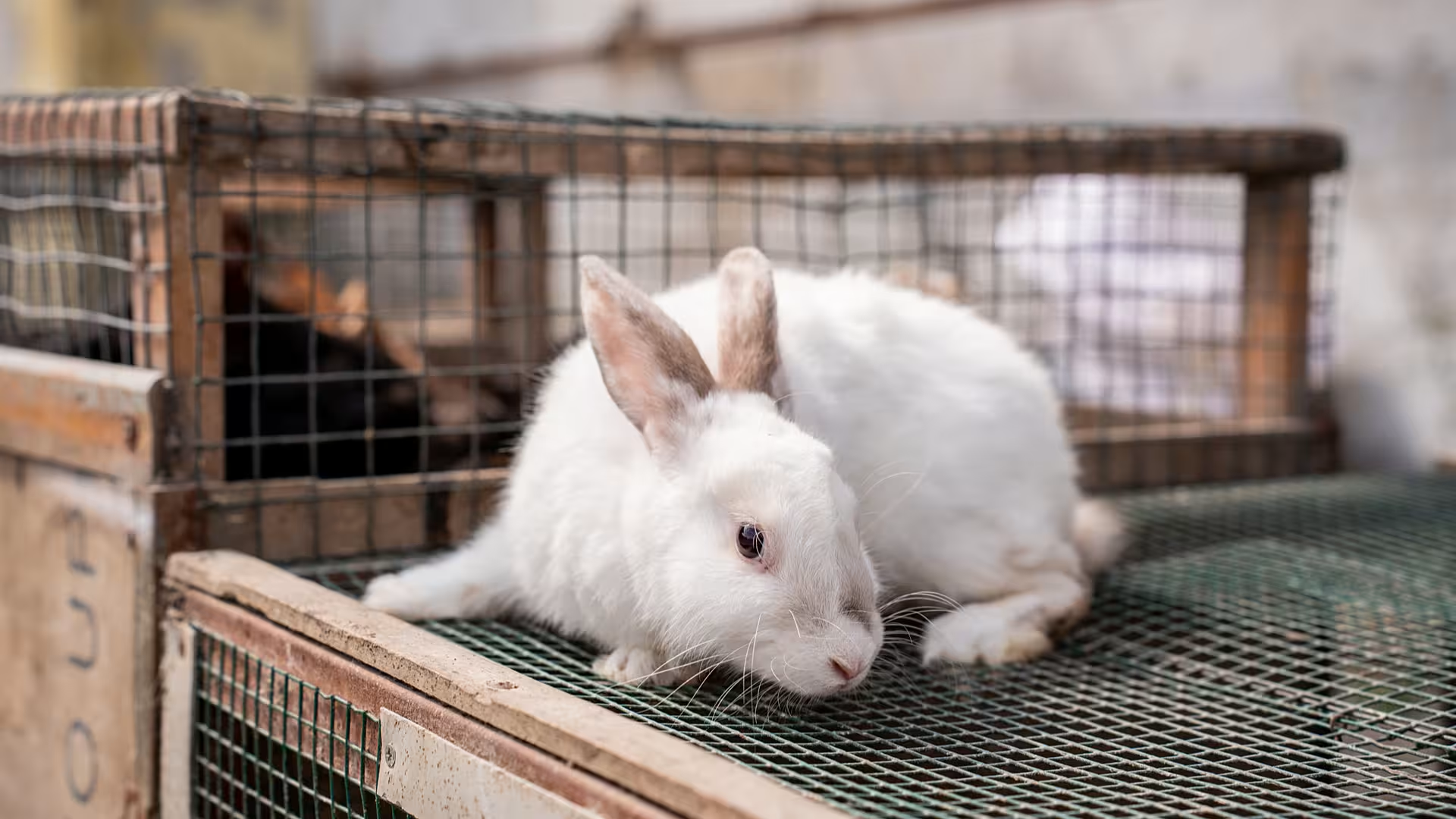
Connecticut was one of them. A bill was on the table that would have brought rabbit farming to the state. It would have opened the door to raising and killing rabbits at an industrial scale. Connecticut Votes for Animals stepped in early and stayed with it. APA members held the line, and they successfully took this proposal off the table.
And stopped new systems of cruelty before they could take hold.
How federal action fed change
For some people fighting against animal cruelty, this year felt like a breakthrough.
After nearly a decade of pushing, black bean burger patties were added to the USDA’s Foods Available List. Schools across the country can now order plant-based protein through the same system they already use. Vegan Activist Alliance, Chilis on Wheels, and their partners had been working toward that moment for years. Kids are already seeing more plant-based options in the lunch line.
That wasn’t the only change in cafeterias.
Through the Plant Powered School Meals Coalition, APA members spent the year pressing Congress to make it easier for students to get non-dairy milk at school. Soy milk will be served right alongside dairy—and all it takes is a note from a parent instead of a doctor.
For students who can’t or don’t want to drink dairy, it’s one small stress off the table. For animals, it means fewer meals tied to systems that depend on their exploitation. And for the advocates who stayed on this for years, it was a well-earned win.
Protecting progress on a national stage
Some of the most important work in 2025 has been about making sure existing protections don’t get undone.
That’s what’s at stake as language tied to the EATS Act continues to show up in the Farm Bill. Behind technical jargon are real threats to state laws like California’s Prop 12—a voter-approved measure that keeps animals out of extreme confinement. If the language moves forward, it could strip states of the power to enforce protections their own voters have already approved.
Advocates tracked shifting bill language line by line as it changed. Chilis on Wheels and Vegan Activist Alliance brought students to Capitol Hill to speak directly against anti-Prop 12 provisions. Strategic Action for Animals secured a resolution opposing the rebranded EATS language through the San Diego Democratic Party. Across the country, APA members picked up the phone again and again, asking representatives to reject any version of the bill that would roll back animal protections.
The work showed up in hearings, inboxes, and phone calls. By the end of the year, more than 200 members of Congress had signed letters opposing the EATS language, making it more controversial and less likely to pass into law.
Where the heart of this lives
In 2025, APA member organizations worked across classrooms, city halls, and federal policy spaces, coordinating efforts to protect animals nationwide. From students and city advocates to people tracking federal policy, the level of care, coordination, and persistence was impossible to miss.
At one point, complaints from the animal agriculture industry were made about APA members getting involved. Not exactly a bad sign. More like proof the work is working.
That’s what gives the APA its power. Everyone brings their own local fights, their own wins and setbacks, and somehow it all moves in the same direction. Animals end up with more protection. Communities end up with more say. And no one has to do it alone.
That dedication is the heart of the Animal Policy Alliance—and why 2025 was a year that truly mattered.